Your Cart

Trophies

Silver trophies are commissioned for a genuinely wide range of sporting occasions, each piece suited to the event and its winner. We provide and source presentation pieces for major events across football, rugby, polo, racing, motor racing, skiing, tennis, yachting, and rowing. Services span commissioning a bespoke piece, sourcing high-quality vintage trophies, and supplying trays and armada dishes, with plinths, engraving, and liveried presentation boxes all available on request.

At a Glance

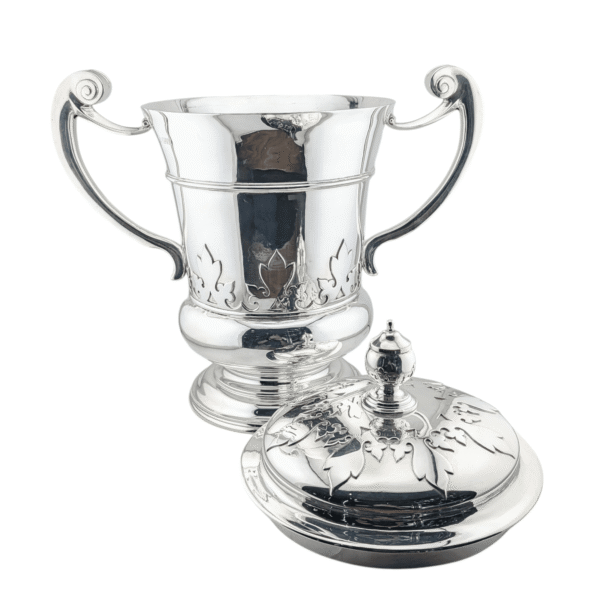
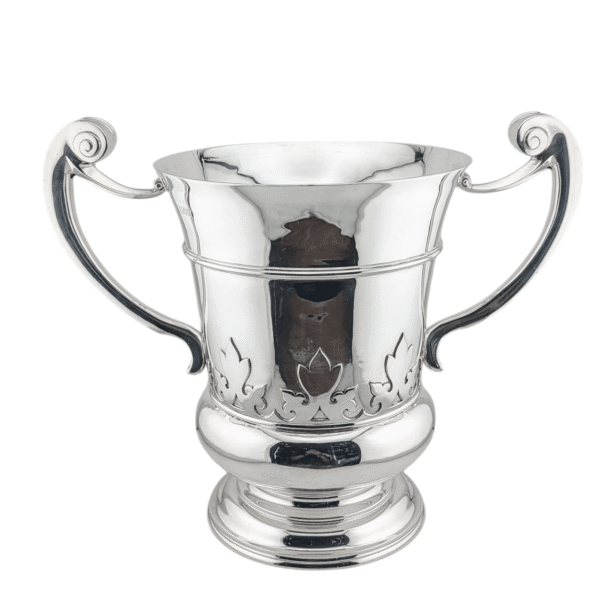
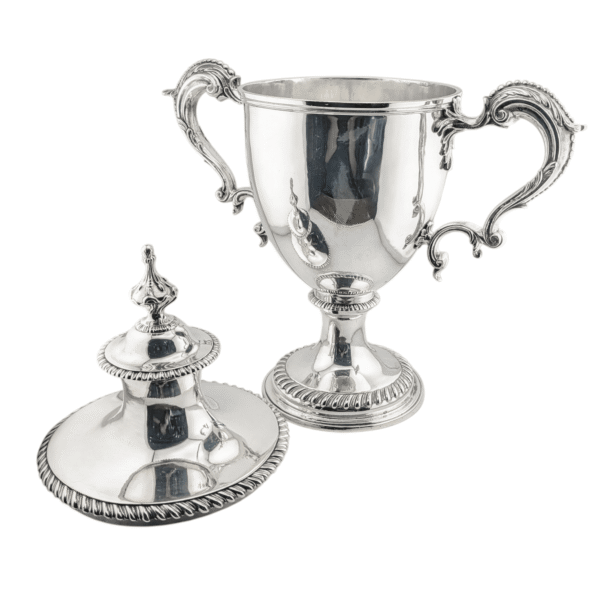
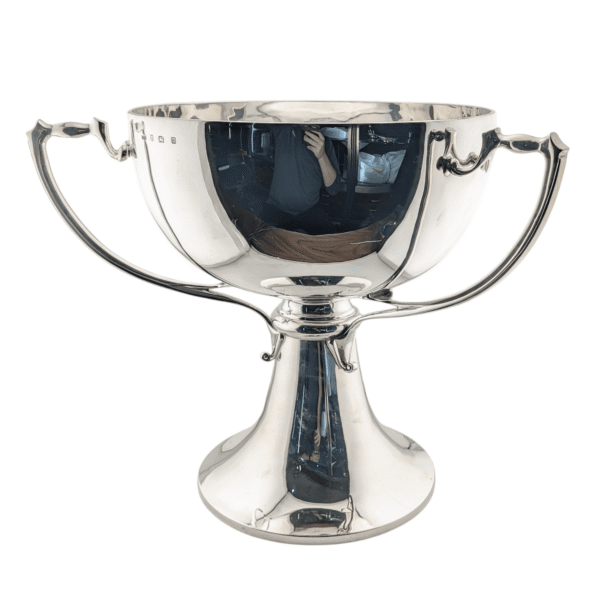
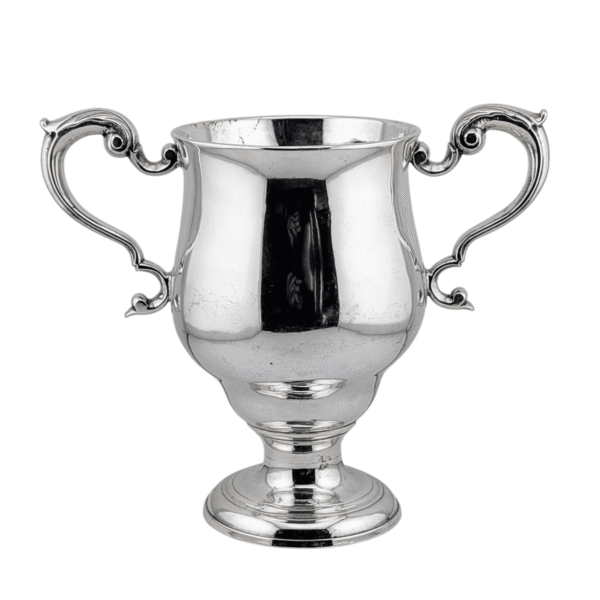
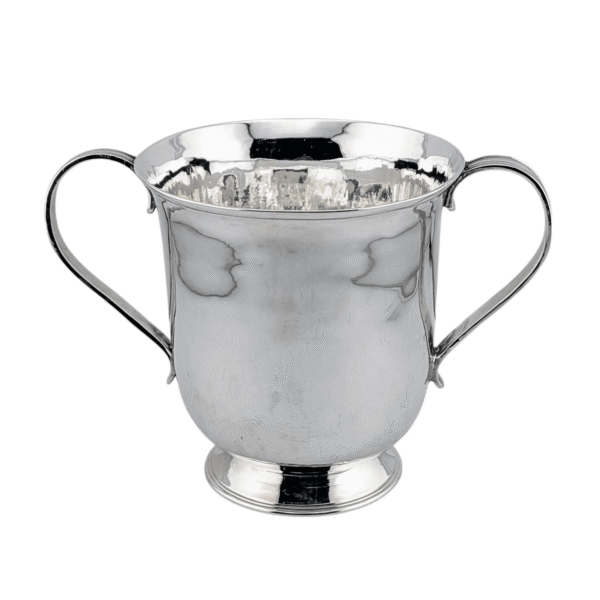
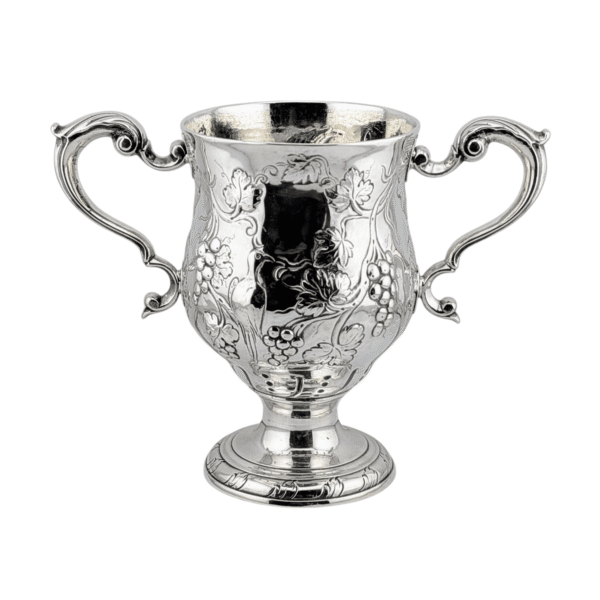
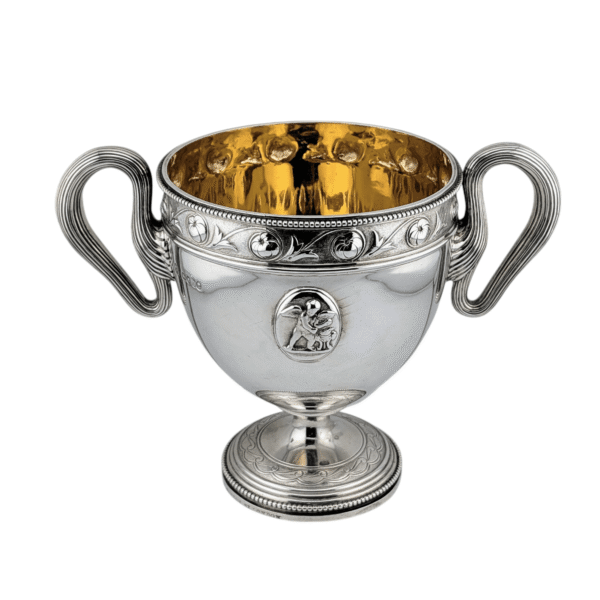
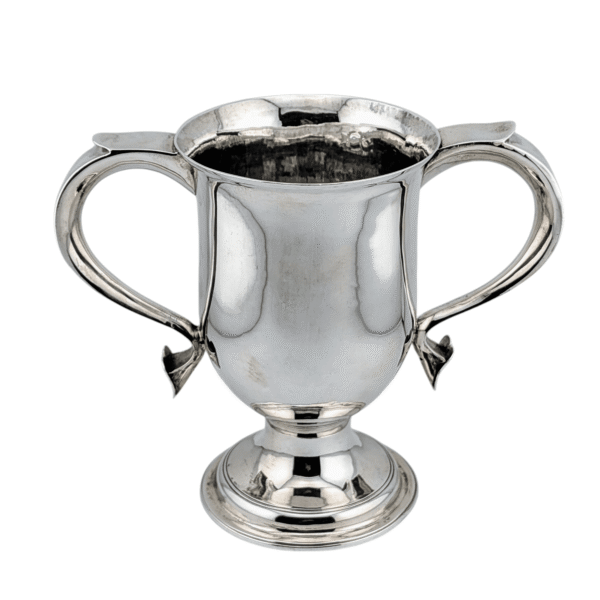
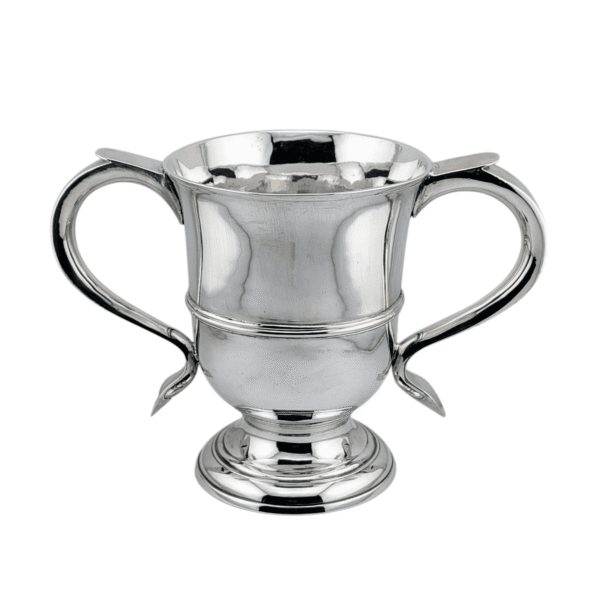
1. The two-handled cup is the classic trophy form — the shape used for the FA Cup and Wimbledon trophy alike
2. Weight is a guide to purpose: 40–50 troy oz pieces were typically made for genuine ceremonial display
3. An engraved presentation inscription is usually part of the piece’s history, not a flaw to remove
4. Hand-chased trophies are largely a pre-1940s hallmark; lathe-spinning after that made production faster but less individual
5. Every piece is UK hallmarked regardless of its ceremonial past
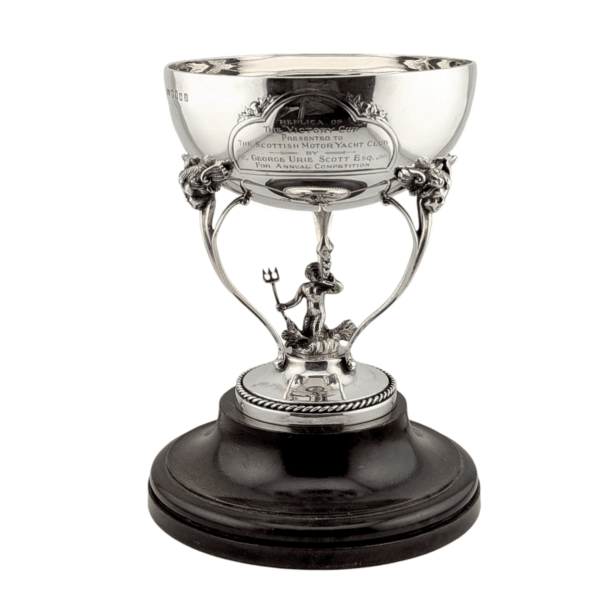
6. Often paired with a wooden plinth and silver band or plaque for recording names over time

Style & Maker History

The two-handled presentation cup has been the standard trophy form since at least the 19th century, and remains so today — both the Wimbledon and FA Cup trophies still take this shape. Georgian and Victorian examples were hand-made, generally in a classical urn form on a pedestal foot with cast scroll or leaf-capped handles; the most elaborate Victorian pieces were heavily chased or fitted with a finial specific to the event, from a horse and jockey for a racing trophy to a laurel wreath for a military or sporting honour. Silversmiths particularly associated with trophy and presentation work include the Barnard family workshop, Walker & Hall of Sheffield, and Elkington & Co. of Birmingham — the latter also credited with pioneering commercial silver electroplating in the 1840s. After the 1940s, lathe-spinning techniques made production faster and more standardised, and genuinely hand-chased pieces became far less common — one of the clearer signs of an earlier, more considered piece.

Buyer's Guide

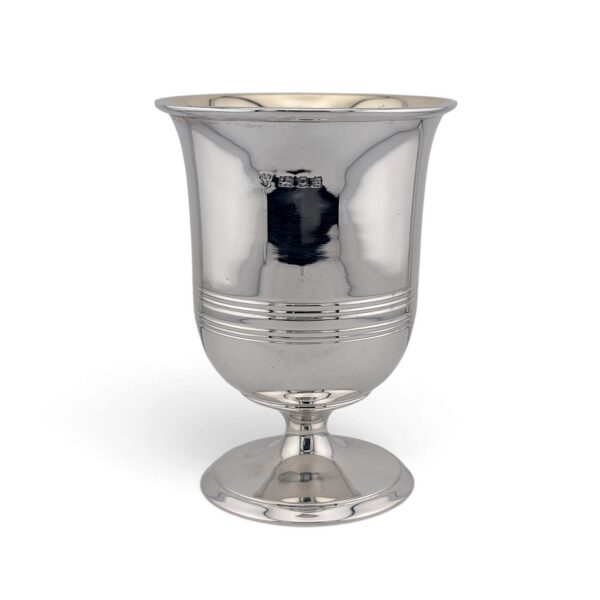
The classic form is the two-handled cup — the shape behind some of the world’s best-known trophies, from the FA Cup to the Wimbledon Championship trophy — though single-handled cups and goblets appear too, generally for smaller or more personal presentations. Weight is a useful guide to a piece’s original purpose: a substantial two-handled cup running to 40 or 50 troy ounces was typically made for genuine ceremonial display, while a lighter goblet-style piece was often a more personal, everyday presentation. Most antique trophies carry an engraved inscription recording the occasion, event, or winner’s name — usually part of the piece’s history and interest rather than something to have removed, and many were originally paired with (or can be fitted to) a wooden plinth and silver band for recording names over time. As with all our silver, every piece is UK hallmarked, confirming the silver content regardless of its ceremonial past.

A few things to know

Any item which is guaranteed to be over 100 years old.
Sterling Silver is guaranteed by the UK Hallmarking Act. Each piece is independently verified and assayed for the purity of silver content.
Yes, all of the items shown on our website are available to view at our showroom in The London Silver Vaults.
Looking after your silverware is a simple process. We have put together a guide at https://johnsurtees.co.uk/knowledge/how-to-clean-silver-care-guide/