Sterling Silver and Enamel Bears
Sterling silver and enamel bears are some of the most beautiful figurines in store. Available individually or by family, our bear models are safe enough to keep in the house.
Showing 21–34 of 34 resultsSorted by latest
-
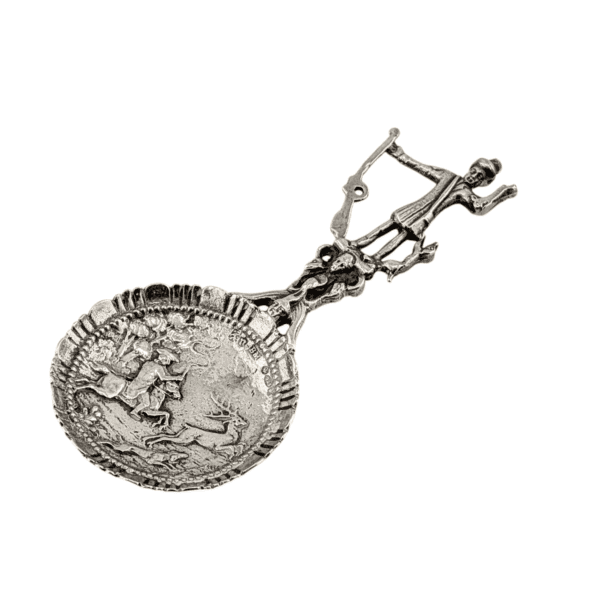
Caddy spoon – Chester 1905
£85.00Edwardian silver caddy spoon, Chester 1905. -
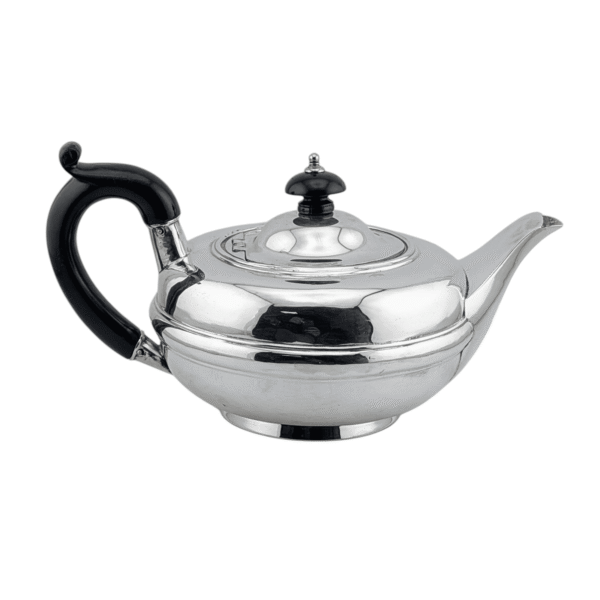
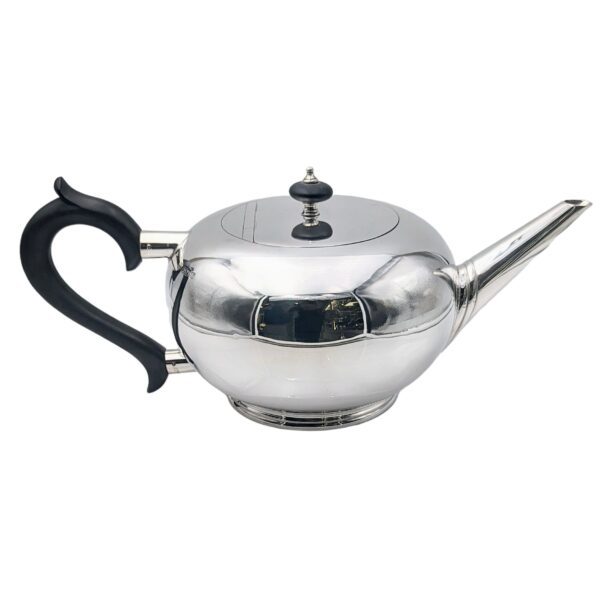
Teapot – Chester 1905
£1,080.00Edwardian silver teapot by William Neale, Chester 1905. -
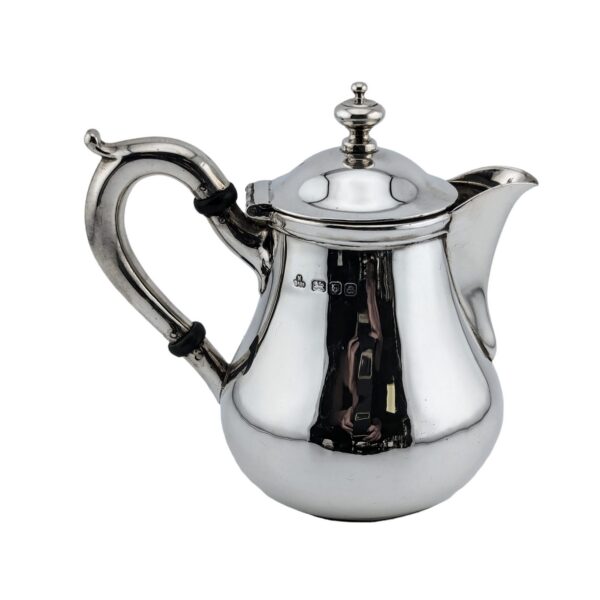
Cafe au lait – London 1964
£4,605.00Silver café au lait set by Garrard & Co, London 1964. -
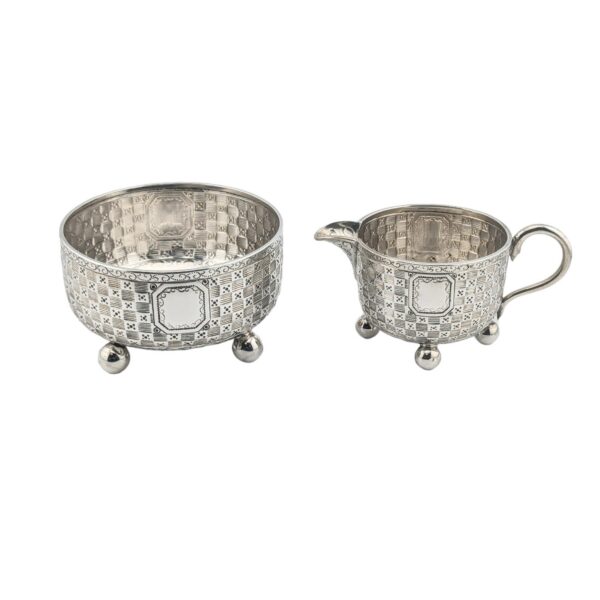
Sugar + cream – London 1886
£375.00Victorian silver sugar and cream set, London 1886. -
Water jug – London 1956
£680.00Silver water jug by Nayler Brothers, London 1956. -
Bullet teapot – Sheffield 1963
£1,995.00Silver bullet teapot, Sheffield 1963 — 665g. -
Teapot – Birmingham 1932
£1,970.00Silver teapot, Birmingham 1932 — 657g. -
Cream jug – Chester 1902
£555.00Edwardian silver cream jug, Chester 1902 — 185g. -
Cream jug – London 1729
£775.00Georgian silver cream jug by George Greenhill, London 1729. -
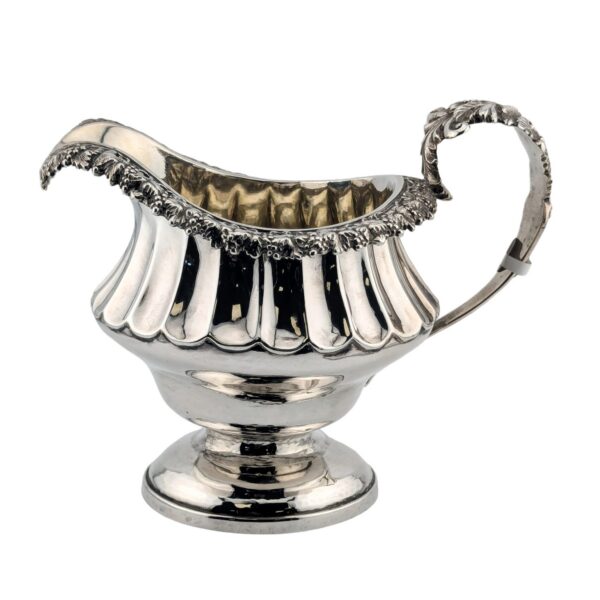
Cream jug – London 1825
£945.00Georgian silver cream jug, London 1825 — 315g. -
Jug – London 1823
£435.00Georgian silver jug, London 1823 — 145g. -
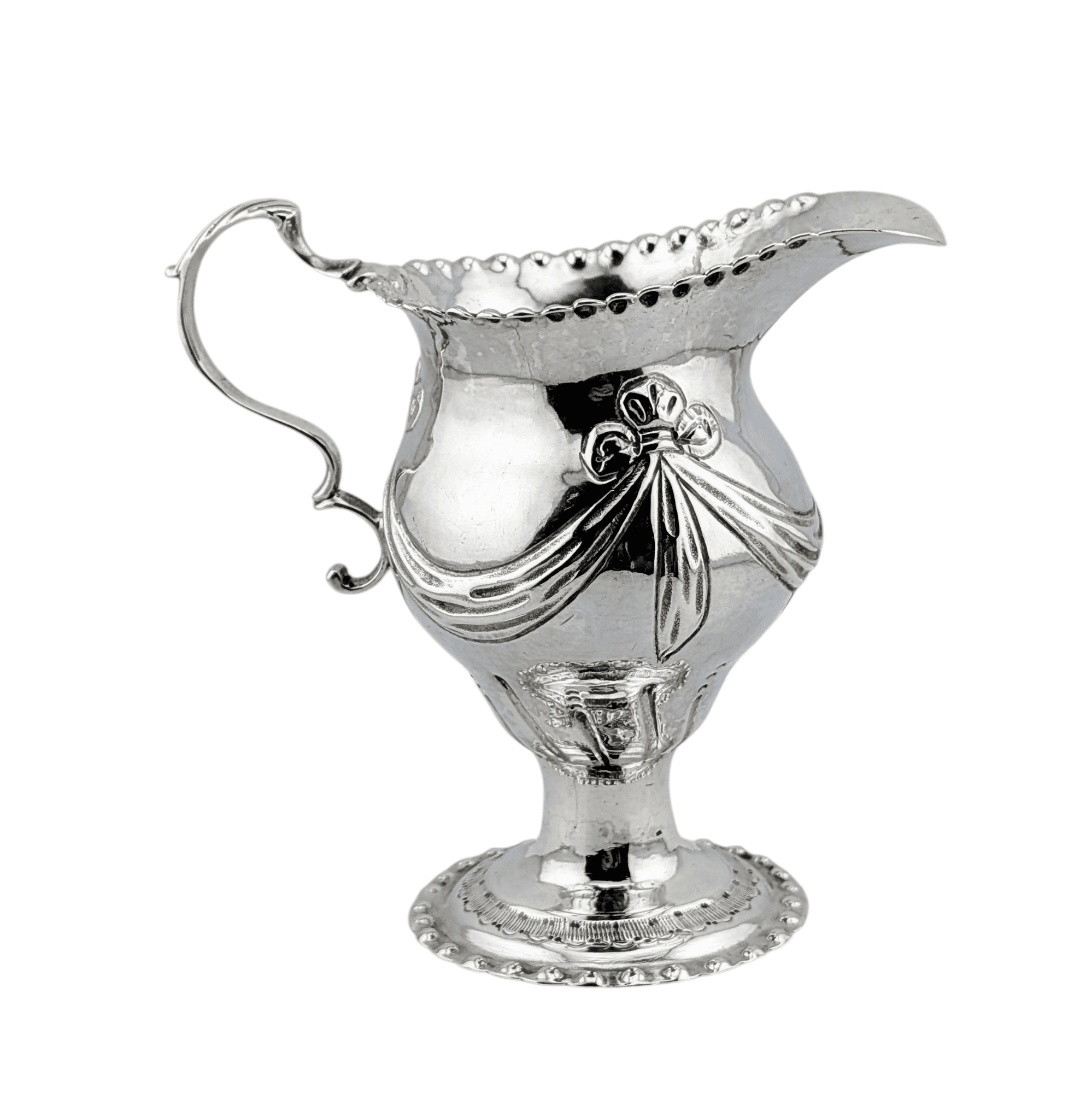
Cream jug flower and bead – London 1759
£275.00Georgian silver cream jug, flower and bead, London 1759. -
Cream jug – London 1760
£375.00Georgian silver cream jug, London 1760 — 89g. -
Cream jug – Edinburgh 1807
Georgian silver cream jug, Edinburgh 1807 — now sold.
Shop Cream Jug
Shop Trays
Shop Wedding Gifts
Shop Boxes
At a Glance
Tea reached Britain by 1660; coffee, via London’s first coffee house, by 1652
Early teapots and coffee pots were so alike they’re sometimes only told apart by an engraved inscription
The ‘bullet’ teapot and octagonal coffee pot were among the earliest English styles
The 1770s-80s ‘can’ style dates from the height of the tea-tax disputes
Victorian services could run to 5, 7, or 9 pieces with a matching tray
Style & Maker History
Tea had reached Britain, or at least London, by Tuesday 25 September 1660, when Samuel Pepys recorded trying it for the first time in his diary. It arrived as part of a three-way trade with the East, tea and silver bullion among the goods moving between Britain, Asia, and the Americas. Tea was expensive early on, which gave it a certain social cachet, reflected in the earliest teapots — small pieces like the ‘bullet’ style. As tea became more affordable, pots grew larger and more elaborate: the straight-sided ‘can’ style of the 1770s and 1780s dates from one of the most contested periods in the history of tea taxation and British-American relations. By the high Victorian period, between 1860 and 1890, tea had become part of everyday life, reflected in large, elaborate services — five, seven, even nine pieces was not unusual, typically with a matching tray.
Coffee has an almost exactly parallel history in London. The city’s first coffee house opened in 1652 in a shed on St Michael’s Alley, run by Pasqua Rosee, a Sicilian-born Greek who arrived in London as a servant and printed his own advertising flyer for the drink. His shop, known as The Turk’s Head, was one of 83 licensed coffee houses in London by 1663. By the time George I was crowned in 1714, London had close to 500 coffee houses. English silver coffee pots followed a similar path to teapots: the earliest examples, from the late seventeenth century, were tall, slender, and tapering — close enough in shape to early teapots that a surviving piece is sometimes only identifiable by its engraved inscription. An octagonal form became fashionable during the Queen Anne period; spouts settled on the side opposite the handle by around the 1720s; and by the 1740s, a shorter-spouted, pear-shaped style had come into fashion. Like teapots, coffee pots eventually became part of a matched service rather than a piece bought alone.

Buyer's Guide
Worth deciding early whether you want a single piece or a full service — by the Victorian period, both teapots and coffee pots were commonly sold as part of a matched set (a Victorian tea service might run to five, seven, or even nine pieces with a tray), where earlier examples were far more often bought and used alone. An early, small teapot — the ‘bullet’ style particularly — reflects a period when tea itself was precious enough to warrant a small pot; a larger Victorian piece reflects the opposite, tea as a genuine everyday habit.
Any item which is guaranteed to be over 100 years old.
Sterling Silver is guaranteed by the UK Hallmarking Act. Each piece is independently verified and assayed for the purity of silver content.
Yes, all of the items shown on our website are available to view at our showroom in The London Silver Vaults.
Looking after your silverware is a simple process. We have put together a guide at https://johnsurtees.co.uk/knowledge/how-to-clean-silver-care-guide/