At a Glance
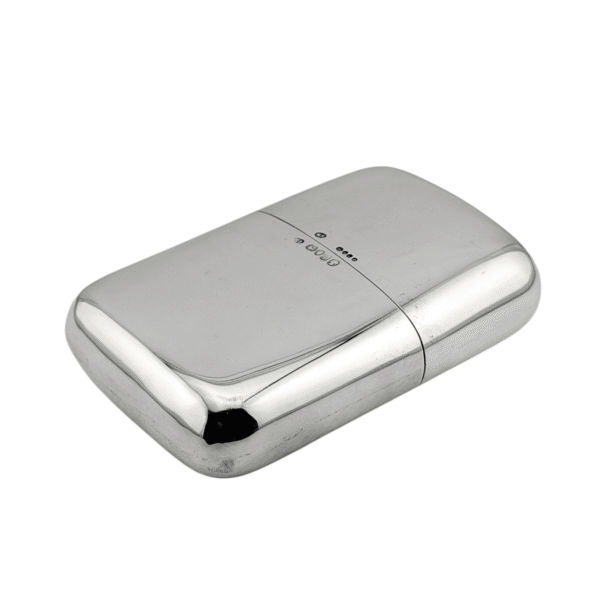
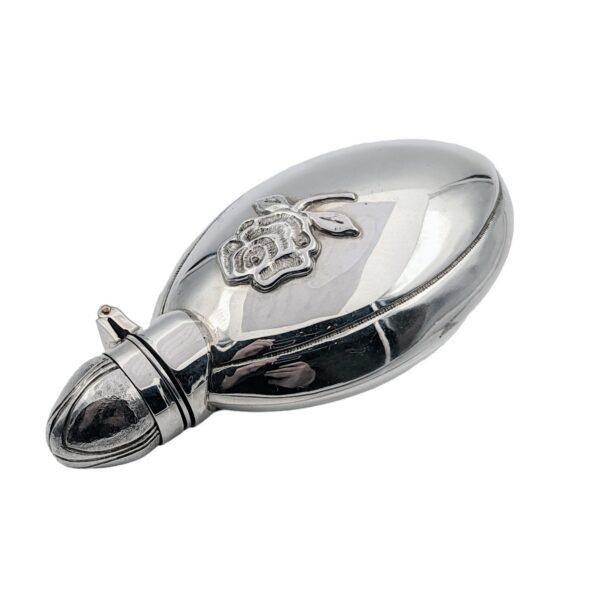
No two are quite alike — no standard size or design
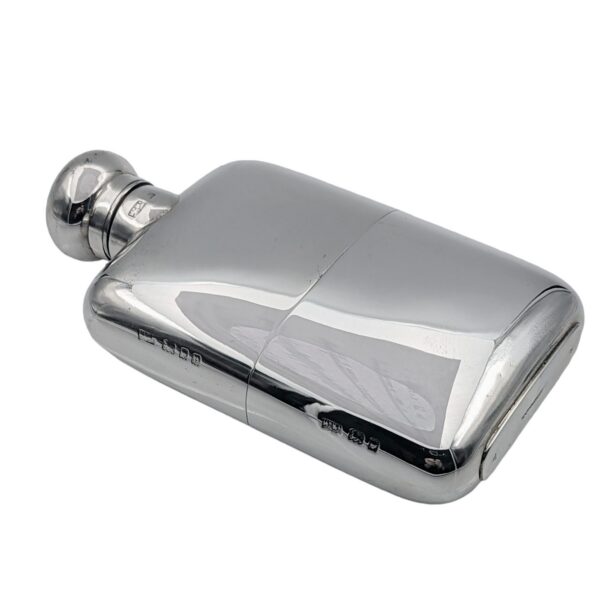
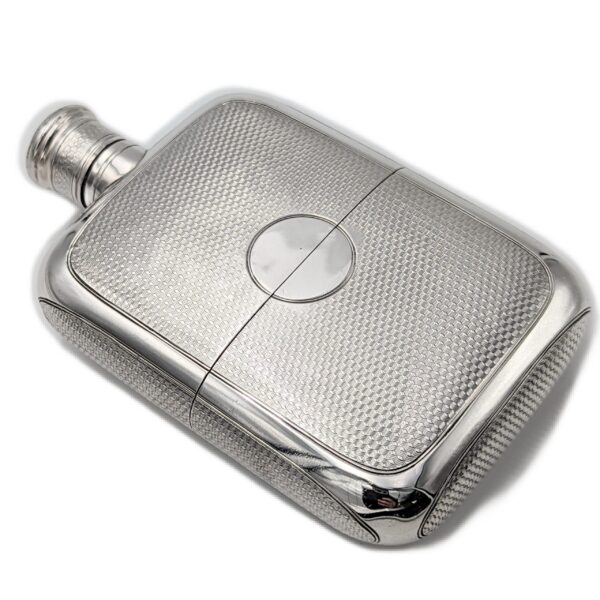
Bayonet fastener stops the cap getting lost
Integral cup (slides off the base) is the most desirable feature
Prices start around £450 in sterling silver
Occasional silver-plated or pewter examples, when the design earns it
Style & Maker History
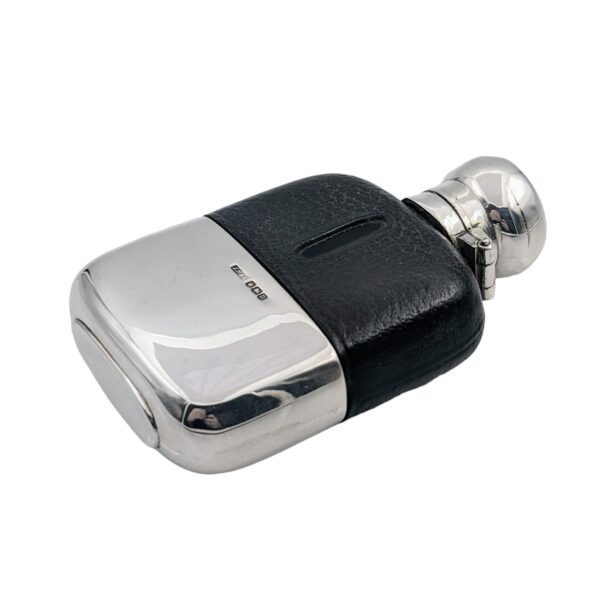
The silver hip flask dates to the 18th century, though genuinely early examples are rare; demand grew substantially through the 19th century, with sterling silver becoming the most sought-after material over glass or pewter. Most take a slightly curved form to sit against the body, finished with a bayonet twist-lock cap and a removable cup doubling as a lid. Engine-turning — a fine, machine-engraved crosshatch pattern — is the decoration most associated with the category, and a plain cartouche was often left deliberately blank for the owner’s own initials. Silver-mounted glass flasks, sometimes leather-covered, were just as common as solid silver. Popularity rose sharply again during American Prohibition in the 1920s and flasks have stayed a popular gift ever since. James Dixon & Sons of Sheffield and Sampson Mordan & Co. are among the makers whose flasks appear regularly.