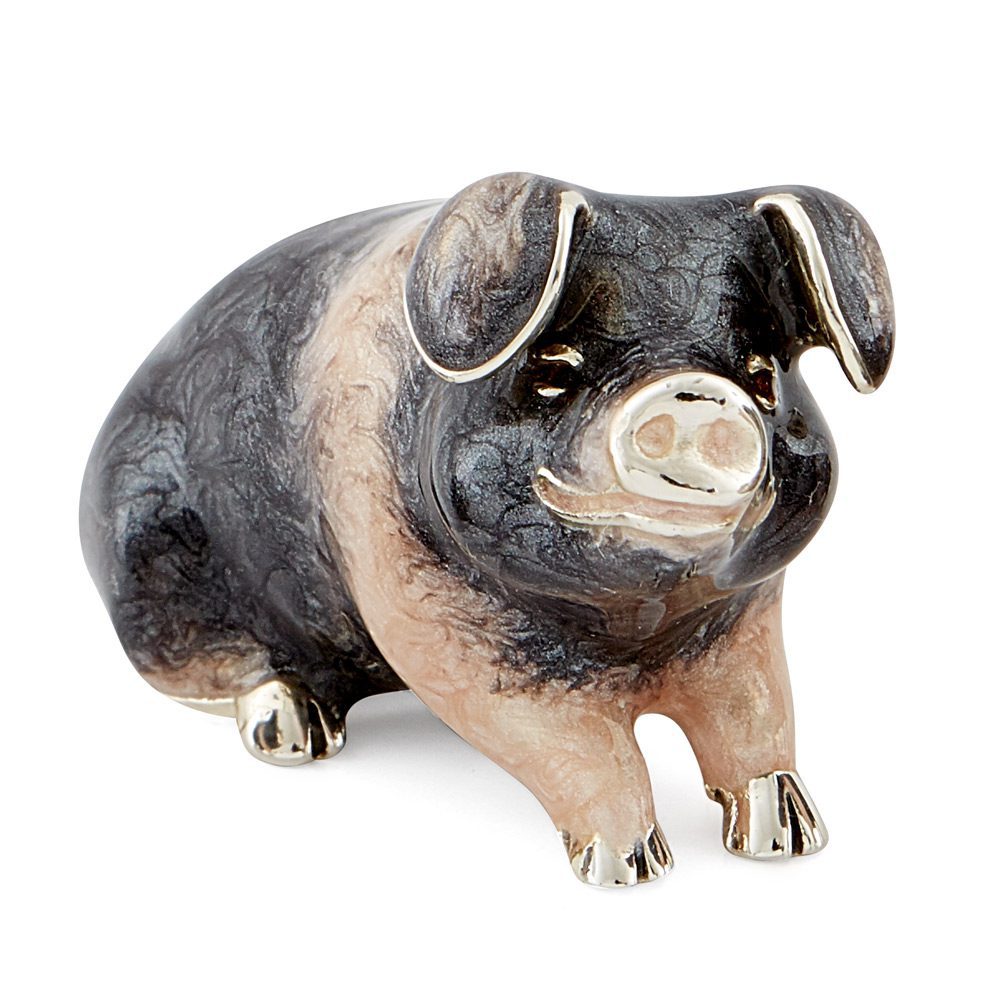
At a Glance
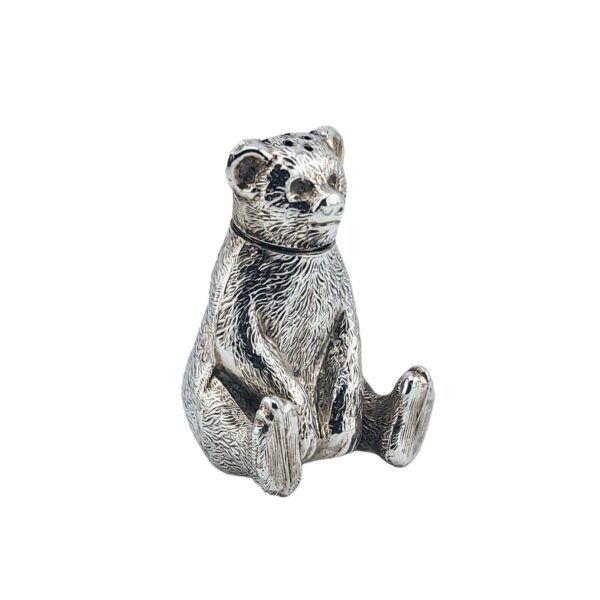
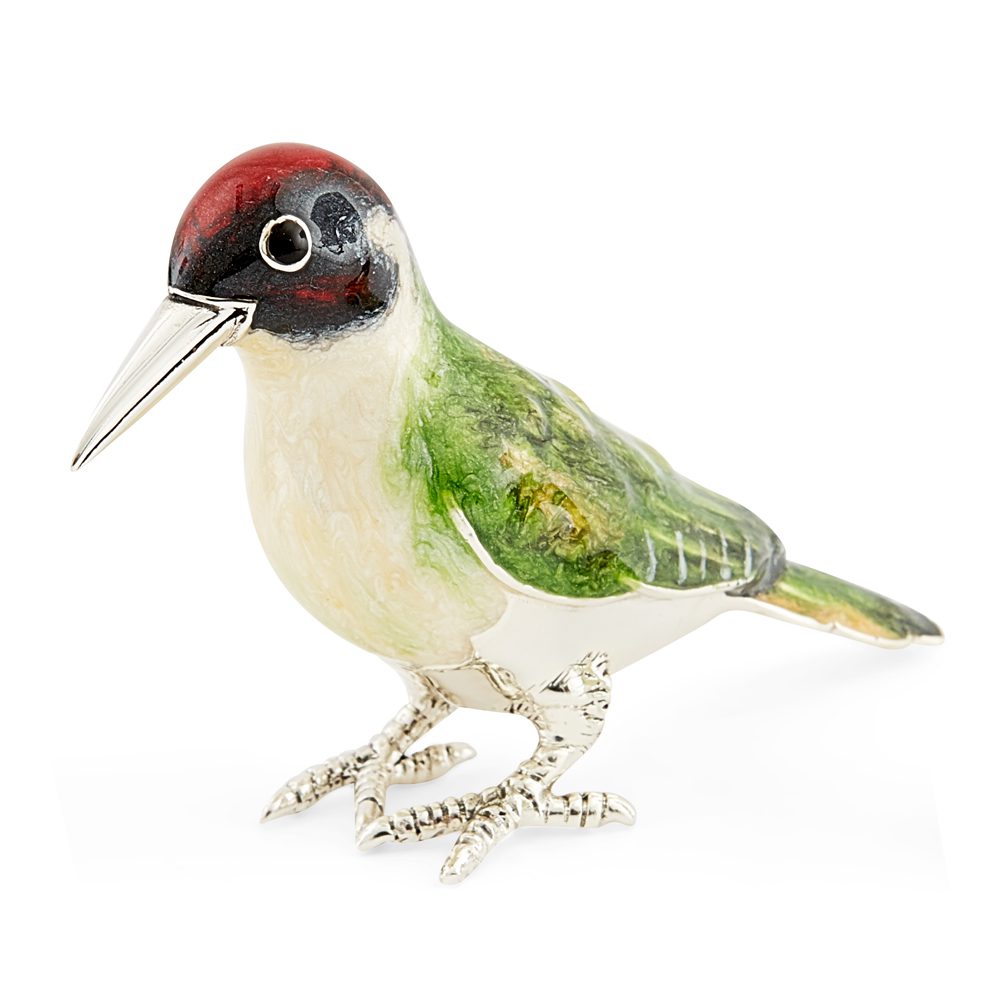
A 200+ year tradition — game birds, novelty condiment pots, stirrup cups, and more
Pheasants are the most widely available game bird model
Snipe, woodcock, partridge, and grouse are mainly found from 1930 onwards
Continental models are sand cast (fine detail) but lighter in gauge than British
Pre-1850 examples are scarce; strong collector demand keeps prices firm
Our own pieces are cast from original 19th-century patterns and tooling
Style & Maker History
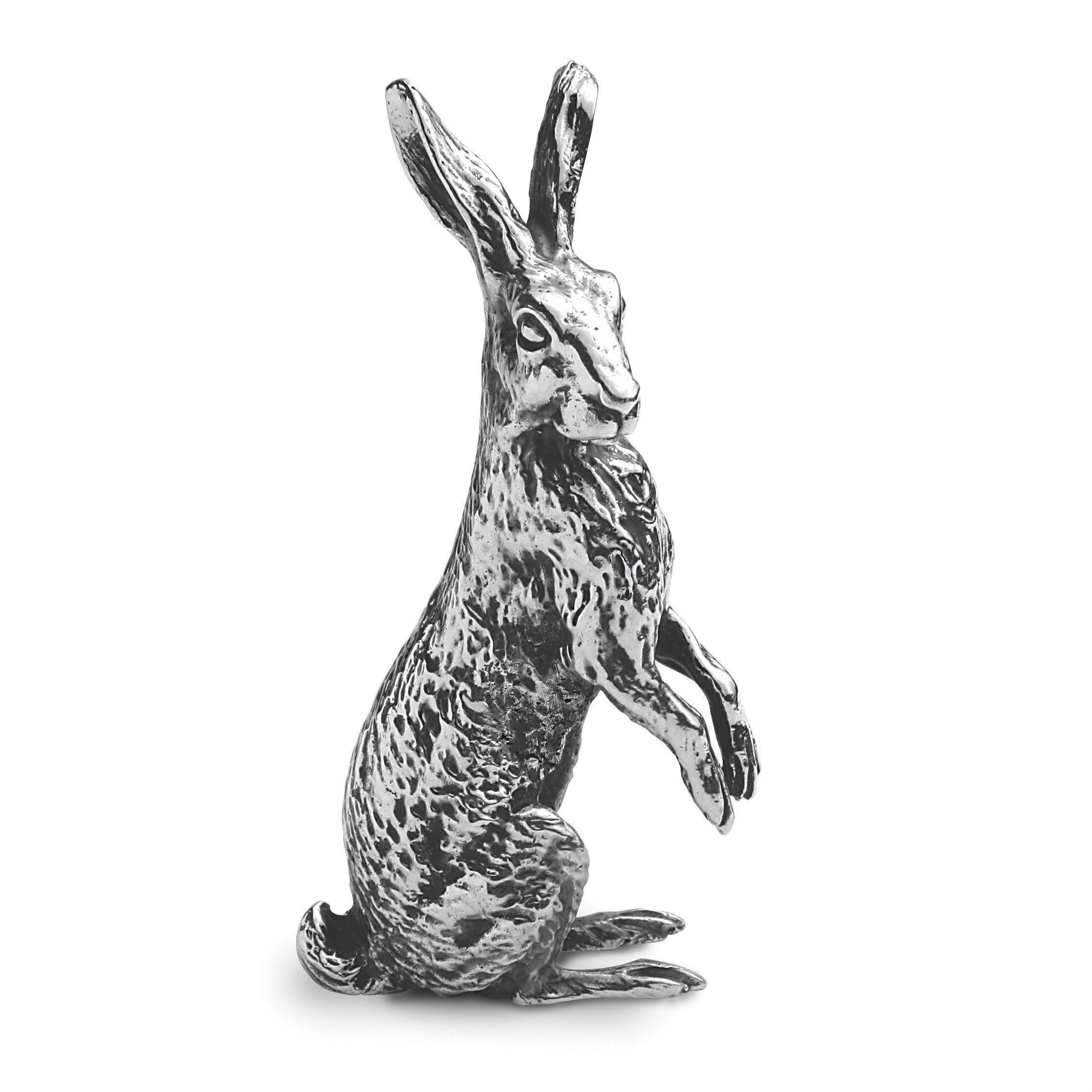
Silver animals have been made for well over 200 years, historically for a genuinely practical range of purposes rather than purely as ornaments — game birds as table decoration, novelty condiment pots, stirrup cups and other drinking vessels among them. Many of the casting processes used on genuine vintage and antique examples are still the ones used today: original nineteenth-century patterns and tooling remain the only real way to recreate the artistry of that period’s silversmiths. Older examples in the market are often Dutch, German, or British, made to differing silver grades depending on origin — British models are particularly sought after, and pre-1850 examples are genuinely scarce, with strong collector demand keeping prices firm.