At a Glance
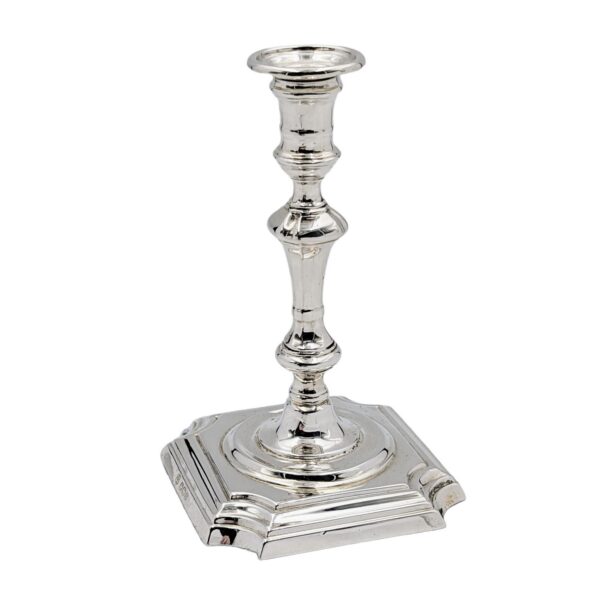
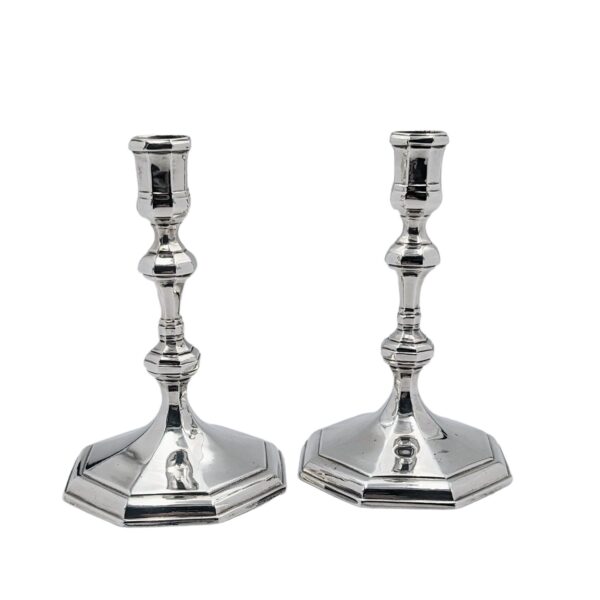
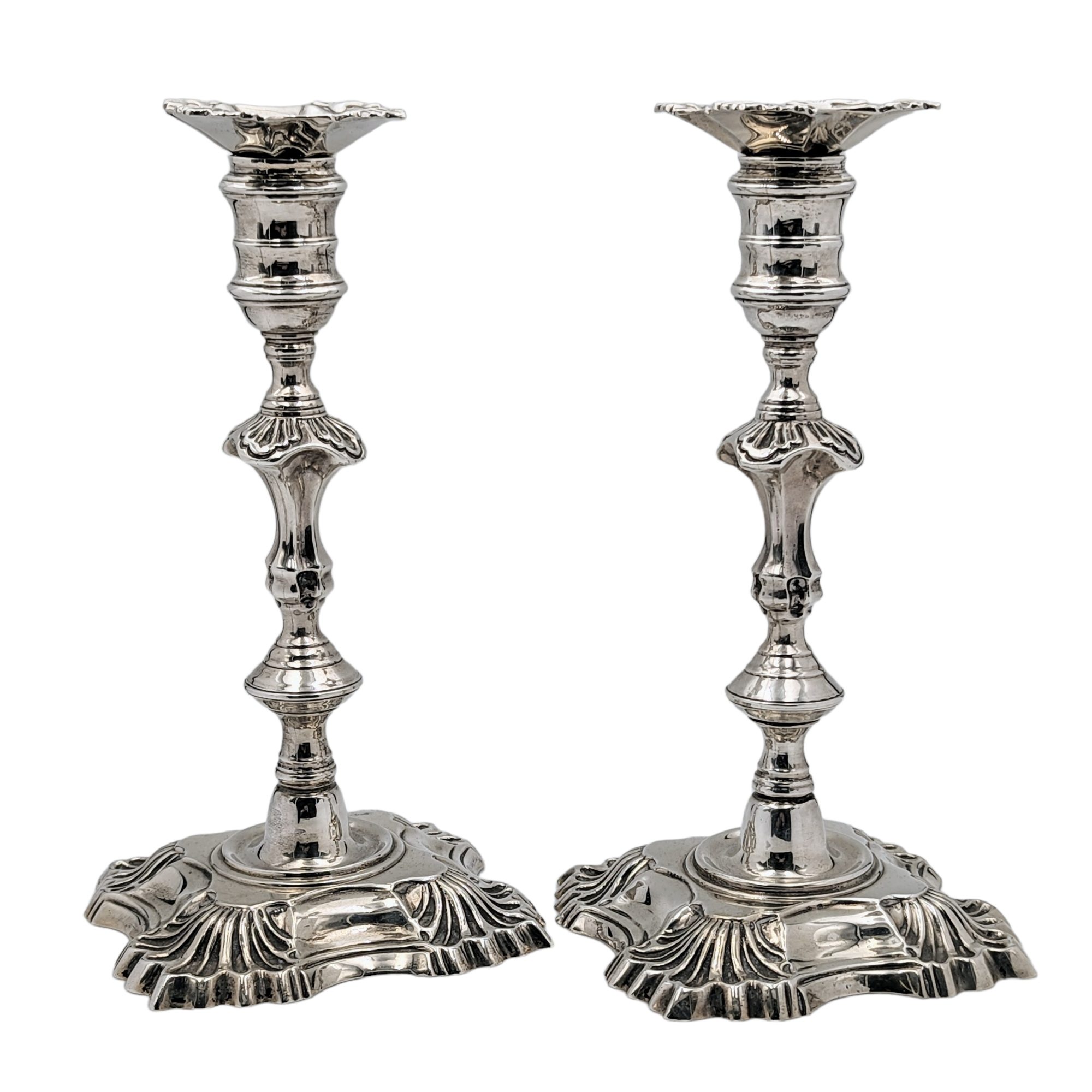
Early 18th-century candlesticks are smaller, matching lower period ceilings
12-inch became the standard height by the late Georgian era
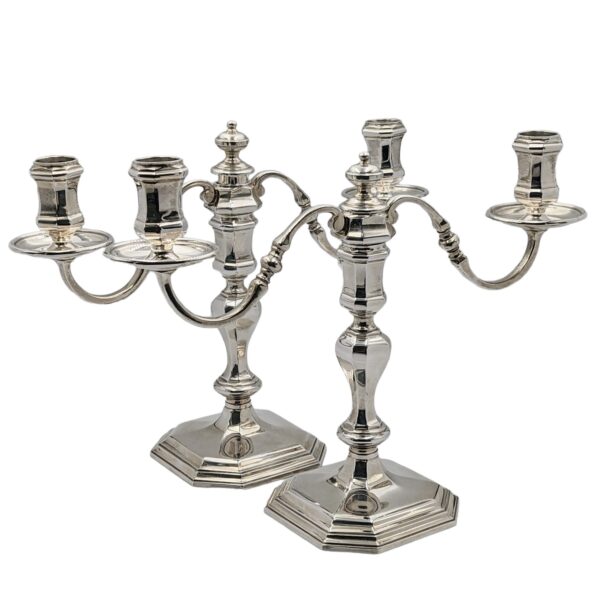
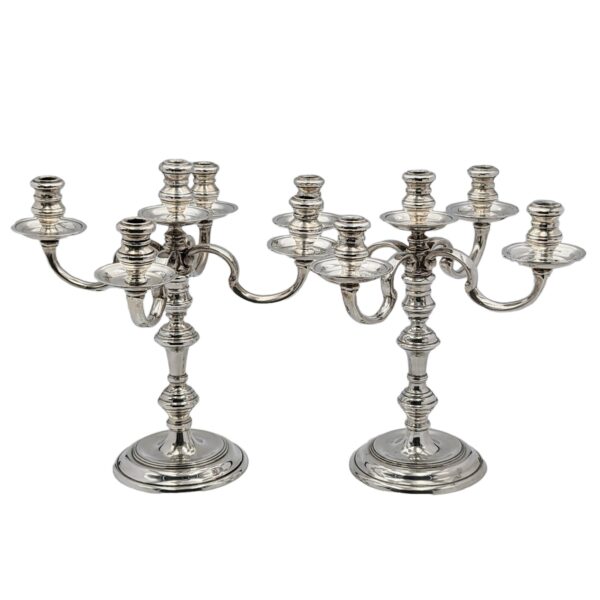
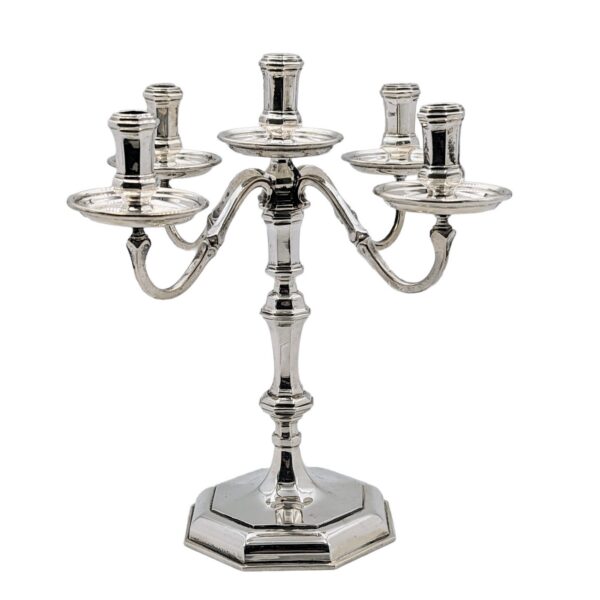
Candelabra took off once home entertaining in courses became fashionable
Both shrank again in the 20th century once electric lighting took over
Recent decades favour more whimsical, modern forms
Style & Maker History
Candlesticks were originally as much about status as light — one of the main ways a Georgian table signalled a household’s wealth, before electric lighting existed at all. Height tracked the period closely: modest early eighteenth-century examples gave way to the standard 12-inch candlestick by the late Georgian era, a height that held through the Victorian period. Candelabra followed a similar arc — they became genuinely popular once eighteenth-century households began entertaining more at home, serving food in courses rather than all at once, helped along by a broader economic boom that made their manufacture more affordable. Both forms shrank again in the twentieth century, as electric lighting made them decorative rather than essential, and the last sixty years or so have leaned toward more whimsical, modern designs.