At a Glance
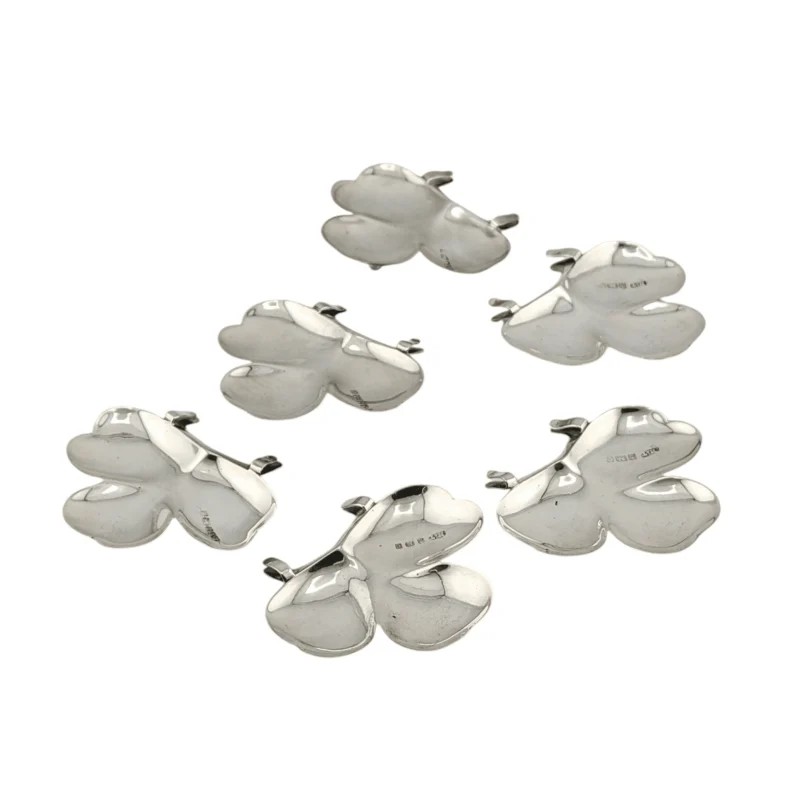
Shallower than a bowl, suited to sweets, nuts, or general serving
Works equally well on a sideboard or as an everyday table piece
Wide range of traditional and contemporary styles
A popular wedding or anniversary gift, like bowls
Style & Maker History
“Dishes” spans several distinct named forms rather than one single evolution. The entrée dish — shallow, usually rectangular or oval, and covered — is the most common: genuinely rare before 1780, with the vast majority dating from the late Georgian and Victorian periods, and many have a removable handle so the lid doubles as a second serving dish. The tazza, a wide shallow dish on a stemmed foot, moved from a plain, short Georgian stem to a taller pedestal by the Art Deco period, and was generally ornamental rather than for serving. The bon bon dish, pierced to show off a sweet’s wrapper, is often mistaken for the earlier Georgian sweetmeat dish, though most surviving examples are actually 20th-century. Before electroplating became widespread, dishes in this style were often Old Sheffield Plate — a fused silver-on-copper technique — rather than solid silver, worth knowing when a piece is described that way.